


Foot surgery can improve mobility, ease pain, and correct medical or cosmetic issues. Whether you underwent cosmetic foot surgery, treatment for a broken bone, or repair for tendon damage, recovery is essential. One common issue many patients face is swelling after foot surgery. It can be uncomfortable, limit mobility, and slow recovery if not managed properly.
This guide explains why swelling happens after foot surgery, when it’s normal, and when you should worry. More importantly, it provides proven methods to reduce swelling and promote faster healing.
Why Swelling Happens After Foot Surgery
Swelling is your body’s natural response to surgery. During an operation, tissues are cut, stitched, or adjusted, which triggers inflammation. The body sends extra blood and fluid to the surgical area to begin healing. This response helps fight infection and repair tissues. However, it also leads to puffiness and discomfort.
Additionally, because the foot is the lowest point in your body, gravity makes it easier for fluid to pool there, intensifying swelling. Whether you had corrective, orthopedic, or cosmetic foot surgery, swelling is almost always part of the recovery process.
Why Is It Important To Reduce Swelling After Foot Surgery?
While swelling is normal, too much can slow healing and increase pain. It can also place pressure on your stitches or surgical site, making recovery harder.
Reducing swelling helps in several ways:
- It lowers pain and discomfort.
- It supports better circulation and faster healing.
- It reduces the risk of infection and complications.
- It improves mobility, making it easier to walk again.
Controlling swelling ensures that your healing time for broken foot after surgery or cosmetic procedure isn’t unnecessarily delayed. If swelling seems severe, always consult a general practitioner for safe medical advice.
Common Causes of Foot Post-Surgery Swelling
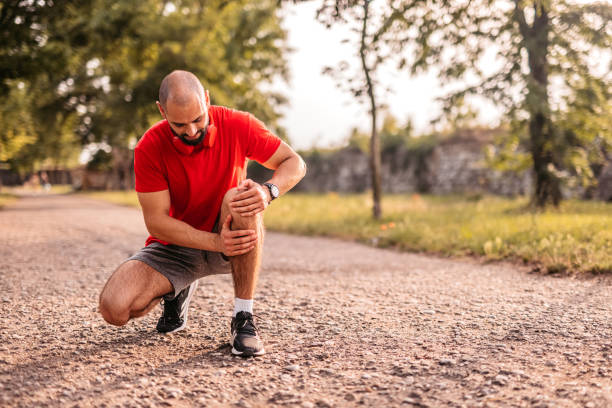
Several factors can increase swelling after foot surgery. Understanding these triggers can help you prevent excessive fluid buildup.
Cause 1. Surgical Trauma:
Incisions and tissue adjustments trigger the body’s healing response.
Cause 2. Immobilization:
Reduced movement slows blood and lymphatic flow.
Cause 3. Gravity:
Standing or sitting with your foot down allows fluid to collect.
Cause 4. Underlying Conditions:
Diabetes, poor circulation, or heart issues may worsen swelling.
Cause 5. Overexertion:
Walking or moving too much too soon can increase inflammation.
When Is Swelling Normal and When to Worry?
Swelling after foot surgery is common. It usually peaks within the first two weeks and then slowly improves. Mild to moderate swelling can last for several months depending on the type of procedure.
However, seek medical help if you notice:
- Sudden severe swelling
- Redness and warmth around the incision
- Pus or foul-smelling discharge
- Intense pain that medication doesn’t relieve
- Fever or chills
- Swelling that gets worse instead of better
These may indicate infection, blood clots, or circulation issues requiring immediate care.
Effective Ways to Reduce Swelling in Foot After Surgery
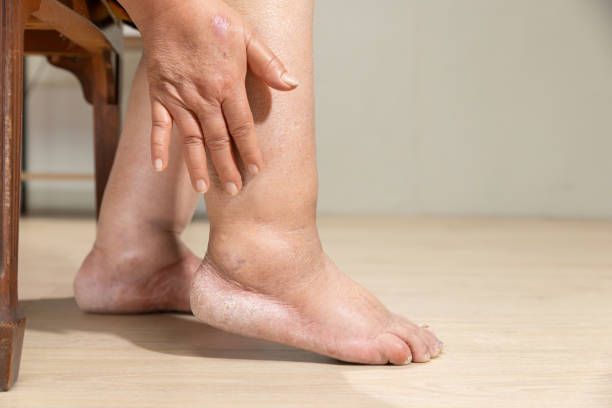
Rest and Elevation
Rest is vital in the early recovery stages. Keep weight off your foot as instructed by your doctor. Use crutches, walkers, or supportive shoes when moving.
Elevation helps drain excess fluid. Place your foot above heart level for 20–30 minutes several times a day. A pillow or wedge can make this position comfortable. Elevation reduces swelling and relieves pressure from surgical wounds.
Cold Compress Therapy
Cold compresses are effective in the first week after surgery. Ice slows blood flow and reduces inflammation. Wrap an ice pack in a thin towel and place it over the swollen area for 15–20 minutes. Repeat several times daily.
Never apply ice directly to the skin, as it can damage tissues. After the initial healing phase, switch between cold and warm therapy to stimulate circulation.
Compression Bandages or Socks
Compression bandages or medical socks prevent fluid buildup by applying gentle pressure. They improve lymph flow and blood, keeping swelling under control.
Make sure compression isn’t too tight, as it may cut off circulation. Always follow your surgeon’s advice regarding the type and duration of compression therapy.
Gentle Foot Exercises and Movement
Once your doctor approves, start gentle exercises. Movement prevents stiffness, improves circulation, and reduces swelling.
A common exercise is ankle pumps for edema. Point and flex your toes slowly while lying down. Repeat several times a day.
Other light range-of-motion exercises keep joints flexible. Always follow your physical therapist’s guidance to avoid straining the surgical site.
Light Foot Massage for Better Circulation
Massage stimulates blood flow and promotes lymphatic drainage. Gentle strokes toward the heart help reduce fluid buildup. Always ask your doctor before starting massage therapy.
Remember, massage helps tissue regeneration by improving blood and lymphatic flow. It also eases discomfort and enhances recovery. Some patients find deep tissue massage useful after the initial healing phase. Massage extends beyond swelling reduction; it improves overall recovery and comfort.
Proper Hydration and Diet
Staying hydrated helps your lymphatic system remove toxins and transport healing nutrients. Drink enough water daily to support circulation and healing.
Eat a nutrient-rich diet with:
- Lean protein for tissue repair
- Fruits and vegetables rich in antioxidants
- Whole grains for sustained energy
- Omega-3 fatty acids to reduce inflammation
Avoid salty and processed foods, as they cause fluid retention. A good diet supports your lymphatic health and overall recovery.
Medications Prescribed by Your Doctor
Doctors may prescribe anti-inflammatory drugs, IV therapy, pain relievers, or antibiotics. These medications manage swelling, discomfort, and infection risk.
Follow the prescription carefully. Avoid self-medicating or using herbal supplements without medical advice. Some over-the-counter drugs may interfere with healing or cause side effects.
Tips for Faster Leg Healing and Comfort
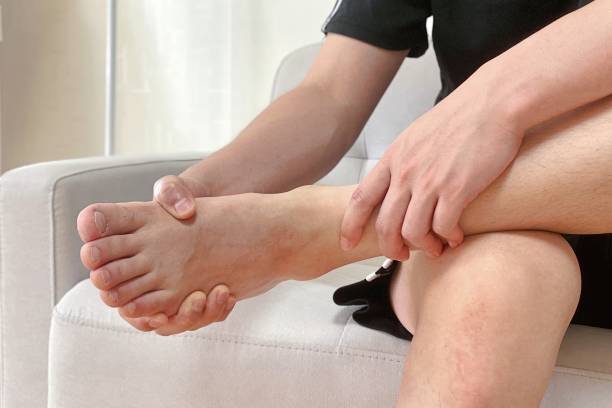
Along with swelling control, you can improve overall comfort by:
- Wear loose, breathable shoes once cleared to walk.
- Keep your incision clean and dry.
- Sleep with your foot slightly elevated.
- Use assistive devices until weight-bearing is safe.
- Track your swelling daily to monitor progress.
- Be patient, healing takes time, especially after major procedures.
These small lifestyle adjustments speed up your recovery and reduce stress on your body.
Activities to Avoid That Can Worsen Swelling
After foot surgery, it’s important to protect your recovery by avoiding habits that can increase swelling. Standing or walking for long periods puts unnecessary pressure on healing tissues, while wearing tight shoes or high heels restricts circulation. Strenuous exercises such as running, jumping, or lifting heavy weights should also be postponed until your doctor gives clearance. Even sitting too long with your foot hanging down can cause fluid to pool, making swelling worse. Hot baths, saunas, and excessive heat should be avoided in the early weeks since they can dilate blood vessels and increase inflammation. By steering clear of these activities, you give your foot a better chance to heal faster, with less discomfort and fewer complications.
Reduce Foot Swelling Naturally With Our Expert Lymphatic Massage
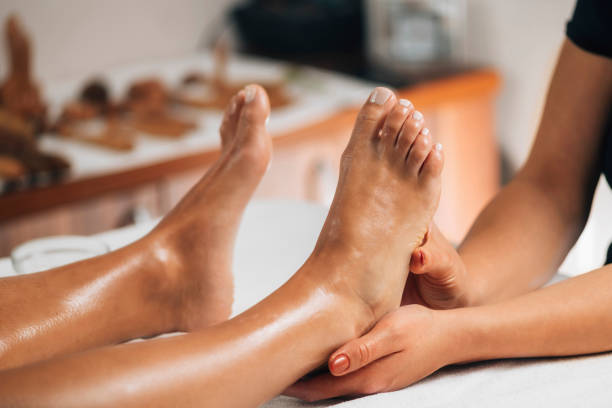
At Ak Healthcare, we specialize in helping patients recover faster and feel better through advanced natural therapies. Our lymphatic massage therapy is designed to gently stimulate circulation, reduce fluid buildup, and ease discomfort after foot surgery or injury. By supporting lymph flow, this therapy helps the body eliminate toxins, reduce swelling, and speed up healing without relying on harsh treatments. Whether you are recovering from cosmetic foot surgery, experiencing post-surgical edema, or simply want to support your lymphatic health, our certified therapists are here to provide safe, effective care in a relaxing environment. Visit Ak Healthcare Dubai today and experience a natural way to restore comfort, mobility, and confidence in every step.
Conclusion
Swelling after foot surgery is normal, but it doesn’t have to take over your recovery. With rest, elevation, cold compresses, compression gear, gentle exercises, massage, hydration, and proper medication, you can manage swelling effectively.
Remember, healing takes patience. Every small step whether drinking enough water, keeping your foot elevated, or practicing light massage brings you closer to walking comfortably again. Always listen to your body and follow your doctor’s guidance.
Your recovery journey is unique, but with these strategies and support from advanced health solutions, you’ll reduce swelling, support healing, and return to an active life sooner.


