


Massage therapy has existed for centuries as a natural way to relieve pain, release stress, and restore balance in the body. Among the different massage techniques, deep tissue massage stands out for its ability to target stubborn muscle tension and chronic pain. Unlike a light relaxation massage, this technique focuses on deeper layers of muscle fibers, tendons, and connective tissue.
Today, many people seek deep tissue massage to manage work-related stress, posture issues, or athletic injuries. But the question often arises: Does deep tissue massage work? The answer depends on your condition and your goals. To understand its effectiveness, let’s explore what is a deep tissue massage, the techniques used, and the potential deep tissue massage benefits.
What is a Deep Tissue Massage?

A deep tissue massage is a therapeutic technique that focuses on the deeper layers of muscles, tendons, and connective tissues. Unlike a relaxing Swedish massage that targets surface tension, deep tissue massage applies firm pressure and slow strokes to release chronic knots and adhesions.
Therapists often use their fingers, thumbs, elbows, or forearms to reach deeper areas of tension. The goal is not just relaxation but also long-term relief from pain and stiffness caused by poor posture, repetitive strain, or injuries.
It is especially effective for people with:
- Chronic back or neck pain
- Sports-related injuries
- Muscle tightness from sitting long hours
- Postural problems
- Limited mobility due to tension
By going beyond surface-level relaxation, deep tissue massage provides lasting therapeutic effects, making it one of the most sought-after treatments in modern health solutions and physical therapy.
Techniques Used in Deep Tissue Massage

Deep tissue massage uses specific techniques designed to release tension from stubborn areas. Each stroke is slower and more targeted compared to a regular massage.
1. Stripping
This technique involves applying deep, gliding pressure along the muscle fibers. The therapist uses their thumbs, knuckles, or forearms to target tight areas and release chronic knots.
2. Friction
Friction involves applying pressure across the muscle grain to break down adhesions and scar tissue. It’s highly effective for improving flexibility and restoring normal movement.
3. Trigger Point Therapy
Trigger points are sensitive “knots” that cause pain when pressed. By applying sustained pressure to these points, therapists can release built-up tension and provide instant relief.
4. Cross-Fiber Massage
This method works against the direction of muscle fibers to enhance circulation and break up scar tissue. Athletes often benefit from this technique after injuries.
5. Myofascial Release
The fascia is a delicate layer of tissue that wraps around our muscles. Myofascial release is a gentle technique that helps stretch and relax this tissue, making it easier to move and reducing tightness in the body.
These techniques may sound intense, but therapists adjust the pressure based on your tolerance and comfort. Communication during the session ensures that the massage remains effective without being overwhelming.
What are the Benefits of Deep Tissue Massage?

The deep tissue massage benefits extend beyond relaxation. Many people turn to this therapy to deal with real health concerns. Let’s explore the major advantages:
Relief from Chronic Pain
Deep pressure helps reduce pain caused by arthritis, sciatica, and muscle injuries. By increasing blood circulation, it promotes healing and reduces inflammation.
Improved Posture and Flexibility
Daily stress and desk jobs often cause slouching and stiffness. Deep tissue massage loosens tight muscles and corrects postural imbalances.
Faster Recovery from Injuries
Athletes and active individuals often face injuries such as strains and sprains. Deep tissue massage breaks down scar tissue and accelerates recovery.
Stress and Anxiety Reduction
Although intense, deep tissue massage releases tension and promotes mental relaxation. The body produces serotonin and oxytocin, improving mood and sleep.
Lower Blood Pressure
Studies show that deep tissue massage reduces stress hormone levels and improves circulation, which can help lower blood pressure.
Enhanced Athletic Performance
Sports players benefit from improved flexibility, faster muscle recovery, and reduced risk of injuries.
So, does deep tissue massage work? Absolutely, it provides lasting improvements when done regularly and by a professional.
Different Ways to Fix Deep Tissue Problems in the Body
Deep tissue issues can arise from injuries, stress, poor posture, or overuse of muscles. Massage therapy is one solution, but combining it with other approaches enhances results.
1. Regular Stretching
By doing regular stretching under the guidance of a professional physiotherapist care, you can target deep tissue problems. Stretching helps loosen tight muscles, improve flexibility, and prevent stiffness from developing.
2. Strength Training
Targeted strength training builds supportive muscles, reduces strain on weaker areas, and helps protect the body from future injuries.
3. Hot and Cold Therapy
Alternating between ice and heat therapy calms inflammation, relaxes deep tissues, and speeds up the healing process.
4. Hydration and Nutrition
Staying hydrated and eating a balanced diet provide essential nutrients that support tissue repair and overall muscle health.
5. Self-Massage Tools
Using foam rollers or massage balls releases knots, increases circulation, and keeps muscles relaxed between therapy sessions.
6. Lymphatic Drainage Massage
This gentle lymphatic massage technique improves circulation, reduces swelling, and supports detoxification for faster muscle recovery.
By combining these practices, you can manage chronic pain, improve mobility, and support overall muscle health more effectively.
When to Avoid Deep Tissue Massage
While deep tissue massage provides various benefits, it isn’t suitable for everyone. In some cases, it may cause more harm than good. It’s advisable to avoid deep tissue massage if you have:
- Open wounds or recent surgeries
- Severe osteoporosis or bone conditions
- Blood clotting disorders
- Infections or skin diseases
- Uncontrolled high blood pressure
- Pregnancy (unless cleared by a doctor and performed by a prenatal specialist)
Always consult a best general physician before scheduling a session, especially if you have medical conditions.
Deep Tissue Massage vs Lymphatic Drainage Massage

Many people confuse deep tissue massage with lymphatic drainage massage, but they serve very different purposes. Understanding the differences helps you choose the right therapy for your needs.
Deep Tissue Massage
Deep tissue massage focuses on the deeper layers of muscles, tendons, and connective tissue. It is ideal for people with chronic pain, stiff muscles, or those recovering from sports injuries. Deep tissue massage works best when you want long-lasting relief from muscular issues. It uses firm, slow strokes to:
- Release chronic muscle tension and knots
- Break down adhesions and scar tissue
- Improve flexibility and posture
- Reduce pain from injuries or overuse
Lymphatic Drainage Massage
On the other hand, lymphatic massage therapy is a gentle therapy that targets the lymphatic system. The lymphatic drainage massage benefits are especially valuable for people recovering from surgery, managing edema, or seeking gentle detoxification and relaxation. It not only reduces swelling but also supports long-term immune health and overall body balance. Its main goals are to:
- Stimulate lymph flow and circulation
- Reduce swelling and fluid retention
- Support the body’s natural detoxification process
- Boost immune function
- Support recovery from deep tissue problems
Which One Should You Choose?
If your main concern is muscle pain, stiffness, or postural issues, deep tissue massage is the better option. If you need swelling reduction, immune support, or detoxification, lymphatic drainage massage is more suitable. Many people benefit from combining both therapies starting with deep tissue massage to release tension, followed by lymphatic drainage to support recovery and circulation.
Looking for the Best Massage to Relieve Deep Tissue Pain?
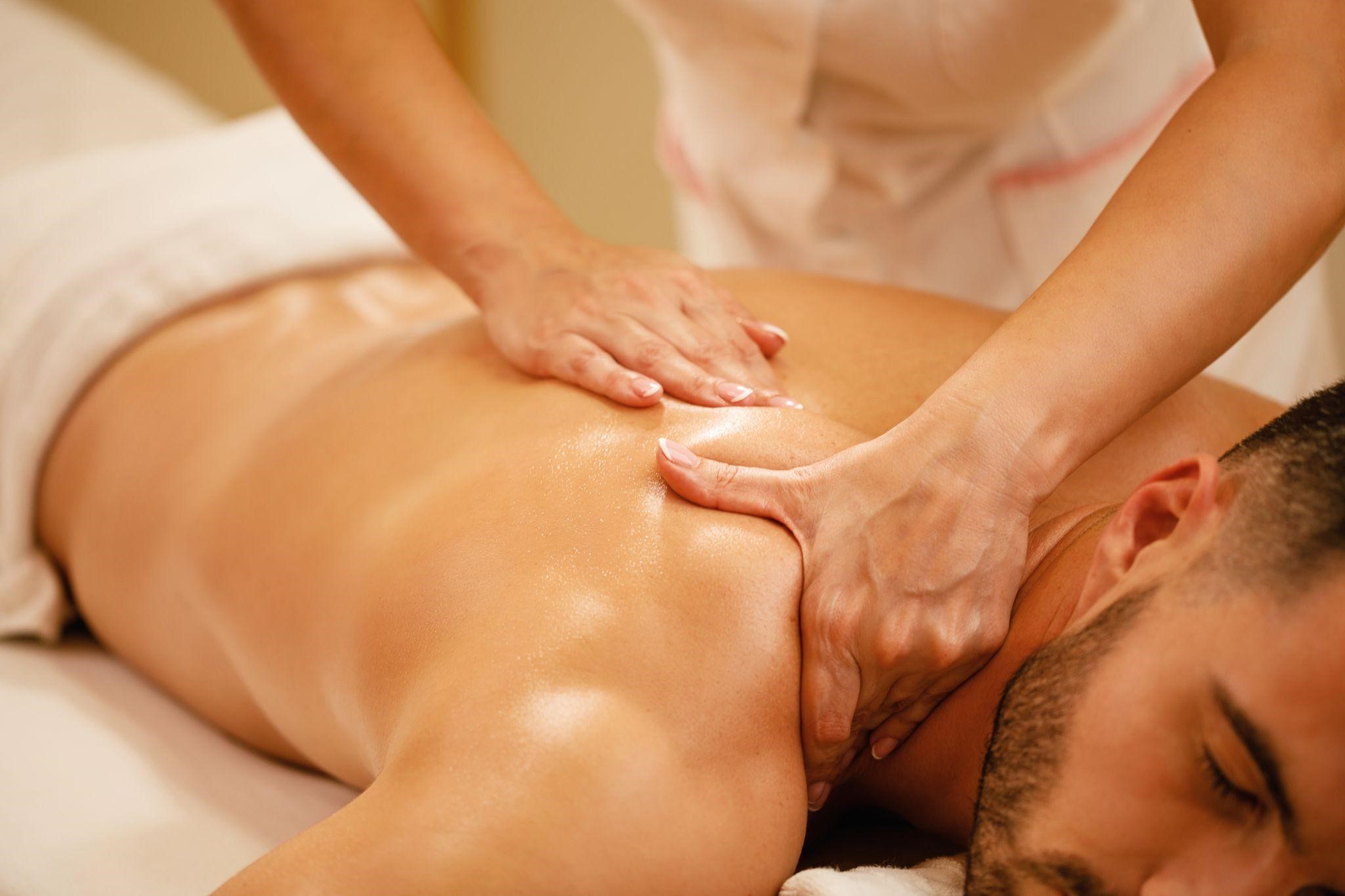
If you are searching for the ultimate solution to relieve chronic muscle tension and deep tissue pain, Our medical healthcare center in Dubai has you covered. We specialize in deep tissue therapies and lymphatic drainage massage. combining powerful muscle relief with gentle restorative therapy.
Our skilled therapists tailor each session to your needs by targeting your pain points, improving circulation, reducing swelling, and speeding up recovery. This treatment works especially well for chronic stiffness, post-workout soreness, and stress-related tension.
At AK Healthcare Clinic, we focus on lasting results that ease pain, restore balance, and support your overall well-being. Book your session today and experience why we’re one of Dubai’s most trusted clinics for professional massage therapy.
Conclusion
Deep tissue massage is more than a simple relaxation technique. It is a proven therapy that targets chronic pain, muscle stiffness, and postural problems. By applying firm and controlled pressure, therapists help break down adhesions, improve circulation, and restore natural movement.
The deep tissue massage benefits are extensive, ranging from stress relief to injury recovery. While it may not be suitable for everyone, it can be life-changing for those struggling with muscle pain and tension.
Whether you are an athlete, an office worker, or someone dealing with chronic pain, this therapy can help you live a healthier, more active life.


