


Acne affects millions of people all over the world, regardless of their age. While breakouts can be frustrating on their own, the aftermath of acne scars can linger long after the pimples have healed. Acne scars are not only a cosmetic concern but can also affect self-esteem and confidence. The good news is that there are numerous ways to treat acne scars, ranging from medical procedures to home remedies and preventive skincare routines.
This guide breaks down everything you need to know, including why scars form, the types of scars, and how to get rid of acne scars with effective treatment options.
What Are Acne Scars and Why Do They Happen?
Acne scars are permanent marks or changes in the skin’s texture that remain after acne heals. They occur when the skin’s natural healing process is disrupted by inflammation from pimples or cysts. During healing, the body produces collagen to repair damaged tissue. If collagen production is insufficient, it can lead to indented scars. If collagen is produced in excess, it may create raised or thickened scars.
Scars are more likely to form in cases of severe acne, cystic breakouts, or when pimples are picked, squeezed, or irritated. Genetics, skin type, and prolonged inflammation also play a role. Essentially, acne scars happen because the skin’s repair process does not always restore the tissue evenly, leaving behind visible marks.
What Causes Acne Scars?
The primary cause of acne scars is inflammation. Deep, inflamed acne damages collagen and elastin fibers in the skin. As the skin attempts to repair this damage, it can form either depressed or raised scars.
Other contributing factors include:
- Hormonal imbalance
- Delayed acne treatment
- Sun exposure that worsens pigmentation
- Poor skincare habits
- Stress, diet, and dehydration worsen inflammation
Suppose acne persists for months or years without improvement. In that case, it may be beneficial to seek help from a specialist in general medicine or dermatology to prevent future scarring and manage breakouts effectively.
Types of Acne Scars You Should Know
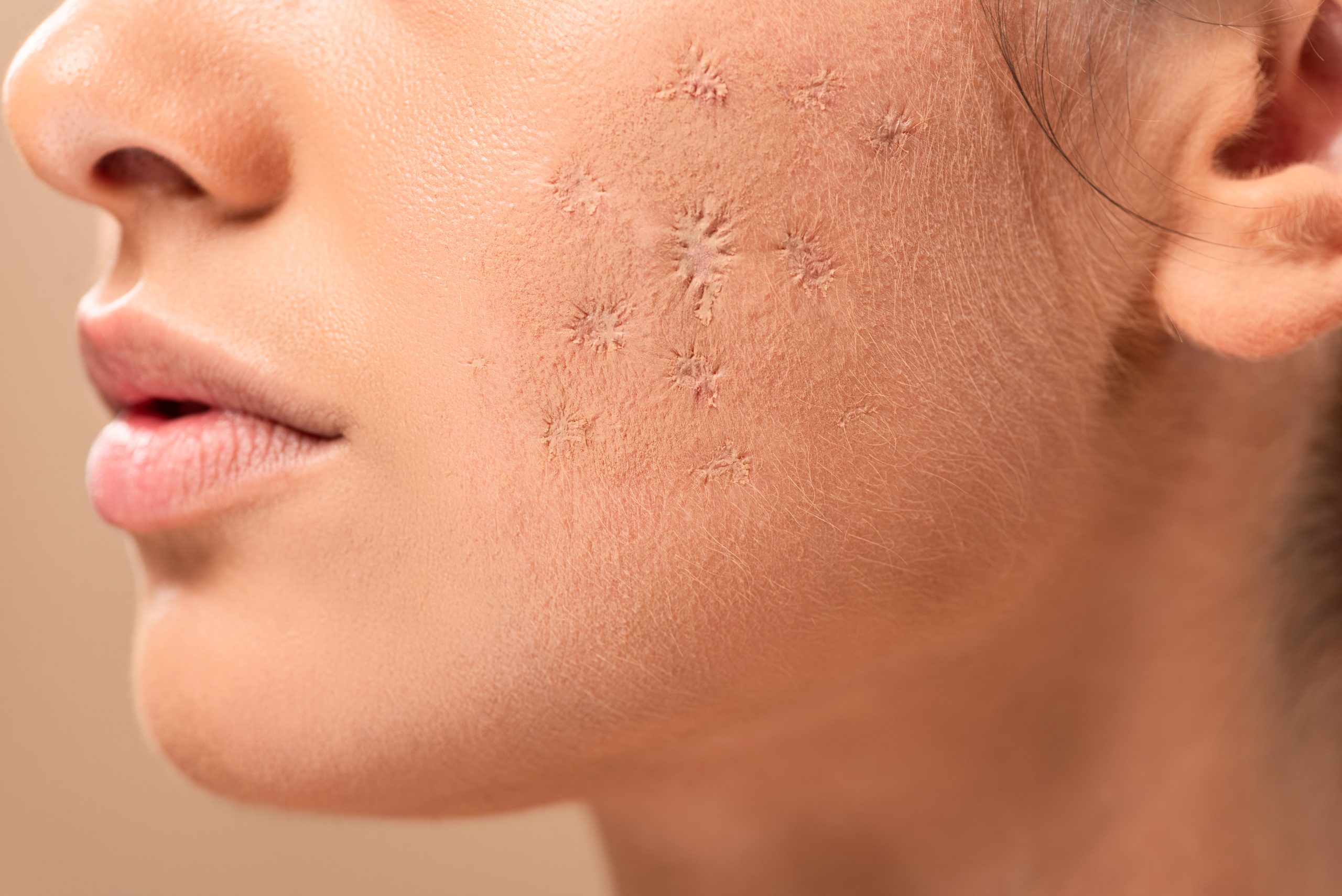
Not all acne scars are the same. Understanding the types of acne scars you have is crucial for selecting the best acne scar treatment. The main categories include:
1. Atrophic Scars
Atrophic scars are the most common type and result from loss of collagen during the skin’s healing process. These scars create depressions or indentations on the skin and are further classified into:
- Ice Pick Scars:
Narrow, deep, and pitted scars that resemble small punctures. These scars often appear on the cheeks and can be challenging to treat with home remedies alone. - Boxcar Scars:
Wider, more defined depressions with sharp edges. They may give the skin a “cratered” appearance. Boxcar scars respond well to professional treatments like chemical peels, microneedling, and laser therapy. - Rolling Scars:
Wavy or undulating depressions caused by fibrous bands under the skin pulling the surface downward. Rolling scars create an uneven texture and typically require treatments like subcision or microneedling for improvement.
2. Hypertrophic and Keloid Scars
Raised scars form when the body produces excess collagen during healing. Unlike atrophic scars, these scars are elevated above the skin surface.
- Hypertrophic Scars:
Firm, raised scars that stay within the boundary of the original acne lesion. These are more common on the chest, back, and shoulders. - Keloid Scars:
Thick, raised scars that extend beyond the original acne site. Keloids are more likely in darker skin tones and may require steroid injections, cryotherapy, or laser therapy for reduction.
3. Post-Inflammatory Hyperpigmentation
Although not true scars, dark spots left behind after pimples are often confused with scarring. These marks fade over time but can be accelerated with acne scar treatment like topical vitamin C, chemical peels, or gentle laser therapy.
How to Get Rid of Acne Scars?

Many best acne scar treatment options exist today. The best results often come from combining techniques customized to your skin type and scar pattern. Below are the most effective options:
Chemical Peels
Chemical peels involve applying a specialized acid solution to exfoliate damaged skin layers. This stimulates collagen production and encourages new skin growth. Light peels help improve discoloration, while medium to deep peels target texture irregularities. Multiple sessions may be required for significant improvement. People with darker skin tones should seek professional guidance to reduce the risk of pigmentation changes.
Microneedling
Microneedling for acne scars creates controlled micro-injuries in the skin by using fine needles. This process triggers the body’s natural healing response, producing collagen and elastin to fill in depressed scars. It works well for rolling and boxcar scars and improves skin texture overall.
Multiple sessions spaced a few weeks apart are usually needed. Combining microneedling with serums or platelet-rich plasma (PRP) can accelerate results.
Laser Therapy
Laser treatment for acne scars resurfaces the skin by targeting damaged layers and stimulating collagen. Options include:
- Ablative lasers (CO2, Erbium): For deep scars and significant textural improvement.
- Non-ablative lasers (Fraxel, pulsed dye): For mild scars and pigmentation with minimal downtime.
Laser therapy requires proper post-care, including sunscreen, to prevent pigmentation issues, especially in darker skin types.
Dermal Fillers
Dermal fillers temporarily lift depressed scars by replacing lost volume. They provide instant improvement and can last several months. Fillers are particularly useful for boxcar and rolling scars where collagen loss has caused visible indentations.
Injections and IV Therapy
Steroid injections are effective for raised scars, helping reduce hypertrophic tissue. Additionally, supportive IV fluid therapy can enhance skin health from within, delivering essential nutrients and antioxidants directly to the bloodstream. As the IV drip trend continues to gain popularity, many people are turning to these treatments not only for wellness but also for improved skin repair. This approach can accelerate healing and improve skin recovery when combined with other acne scar treatments.
Subcision
Subcision is a minimally invasive procedure used to treat tethered rolling scars. A small needle is inserted under the scar to break the fibrous bands pulling the skin downward. This allows the skin to rise and smooth the surface. Subcision is often combined with microneedling or fillers for enhanced results.
Lymphatic Drainage Massage
A lymphatic facial massage encourages circulation, helps reduce swelling, and supports the removal of excess fluids. While it cannot erase deep scars, it improves skin health and complements professional acne scar treatments. Regular sessions can also reduce water retention in the face, enhancing overall skin appearance.
Cryotherapy (For Raised Scars)
Cryotherapy freezes hypertrophic and keloid scars to reduce their size. It is particularly effective for patients with raised scar tissue. Often, cryotherapy is combined with steroid injections for maximum results. Care must be taken with darker skin tones to avoid pigmentation changes.
How Long Does It Take for Acne Scars to Fade?
The timeline varies depending on scar severity, skin type, and treatment method. Light discoloration may fade in a few weeks with proper care, while deep scars require several treatment sessions over months for visible improvement.
Age, hormones, and sun exposure can slow healing. Collagen-boosting habits, gentle skincare, and avoiding picking at pimples support faster progress. Many people notice enhanced results when they continue skin maintenance, including professional support from advanced health care solutions, which offer targeted therapies to improve skin healing and texture.
Patience and consistency are key. Professional guidance helps set realistic expectations.
How to Remove Acne Scars Naturally (Home Remedies)

Home remedies for acne scars can help fade, especially mild discoloration or dark spots, and improve overall skin health over time. While they may not completely remove deep scars, regular use can make a noticeable difference. Here are five effective home remedies for acne scars:
Aloe Vera
Aloe vera is well-known for its calming and healing properties. Applying fresh aloe gel to scars daily helps reduce inflammation, supports skin regeneration, and keeps the skin hydrated, promoting a smoother appearance.
Turmeric Paste
Turmeric contains curcumin, a powerful anti-inflammatory and antioxidant compound. Mixing turmeric powder with a small amount of water, aloe vera, honey, or yogurt to form a paste and applying it to scars can reduce redness and pigmentation over time.
Rosehip Oil
Rich in essential fatty acids and antioxidants, rosehip oil supports skin regeneration and improves texture. Regularly massaging a few drops into affected areas can help fade scars and maintain skin elasticity.
Honey
Raw honey is a natural humectant and antibacterial agent. Applying a thin layer of honey on the affected areas helps keep the skin hydrated and supports healing. It also promotes collagen production, which may gradually reduce scar appearance.
Vitamin C Serums
Vitamin C is a potent antioxidant that brightens the skin and encourages collagen production. Applying a serum daily can gradually reduce hyperpigmentation and improve overall skin tone, making scars less noticeable.
These home remedies for acne scars are gentle and safe for most skin types, and combining them with a consistent skincare routine enhances results naturally.
Daily Skincare Routine for Preventing New Acne Scars
A balanced skincare routine supports healing and reduces future scarring risk:
- Cleanse gently twice daily
- Avoid scrubbing, picking, or squeezing pimples
- Use non-comedogenic products
- Moisturize to maintain barrier function
- Apply sunscreen every morning
- Incorporate exfoliating acids (AHA/BHA) 1–3 times weekly
Some individuals also benefit from professional deep tissue massage therapy, not for scars directly, but to improve circulation, stress relief, and hormonal balance, which may indirectly reduce acne flare-ups.
Looking for Expert Acne and Scar Treatments in Dubai?

At AK Healthcare Center in Dubai, we believe clear, healthy skin isn’t just about treating acne—it’s about protecting your skin for the future. Our expert team is experienced in managing active acne, post-acne marks, pigmentation, uneven texture, and early scarring.
We offer personalized assessments and treatment plans tailored to your unique skin needs while closely tracking your progress. With professional guidance and safe, effective solutions, you can prevent long-term damage, reduce future scarring, and achieve smoother, more confident skin.
Choosing AK Healthcare means choosing expert care, long-lasting results, and skin that feels as good as it looks.
Conclusion
Acne scars can feel overwhelming, but they are treatable. How to get rid of acne scars depends on the type and severity of the scars, as well as your skin’s healing ability. With the right approach, whether medical treatments, daily skincare routines, lifestyle changes, or natural remedies, you can significantly reduce scarring and improve skin texture over time.
The key is patience, consistency, and choosing the best acne scar treatment suited to your skin’s needs. Whether you’re just beginning your skincare journey or exploring advanced dermatology services, remember that clearer, smoother skin is achievable. You deserve to feel confident in your skin, and with the right care, acne scars don’t have to define your complexion.


