


Frozen shoulder, medically known as adhesive capsulitis, is a condition that can significantly affect daily life by limiting shoulder movement and causing persistent pain. If left untreated, it can take months or even years to fully resolve. Fortunately, understanding the frozen shoulder causes, symptoms, and stages, combined with proper treatment, can accelerate recovery. This guide provides a comprehensive overview of how to cure frozen shoulder quickly and safely.
What is Frozen Shoulder and Who Gets Affected?
Frozen shoulder occurs when the connective tissue surrounding the shoulder joint thickens and tightens, forming adhesions that restrict movement. Pain and stiffness develop gradually, often making routine tasks challenging.
This condition is most commonly seen in adults aged 40 to 60, with a slightly higher prevalence in women. Individuals with underlying health conditions, such as diabetes or thyroid disorders, are at greater risk. People recovering from shoulder injuries, surgeries, or those who remain inactive for prolonged periods may also develop this condition. Consulting a general medicine doctor early can help identify risks, initiate early intervention, and prevent further complications.
What Causes Frozen Shoulder?
The exact frozen shoulder causes are not always clear, especially in primary cases where the condition develops without injury. In secondary frozen shoulder, the condition is often linked to shoulder trauma, surgery, or long periods of limited movement. When the shoulder remains unused for too long, the joint capsule can tighten and thicken, resulting in restricted mobility and discomfort. Certain factors increase the likelihood of developing frozen shoulder, including:
Other risk factors include:
- Metabolic conditions such as diabetes or thyroid imbalances
- Cardiovascular diseases or prolonged hospitalization
- Inflammatory joint disorders
- Repetitive overhead or strenuous shoulder activities
These factors may not directly cause the condition, but can play a significant role in triggering or worsening symptoms.
Frozen Shoulder Symptoms to Watch For
Frozen shoulder typically progresses gradually, and recognizing the symptoms early can make treatment more effective. Key signs include:
- Persistent, dull pain in the shoulder, often worsening at night
- Reduced range of motion in all directions
- Difficulty performing simple daily activities like dressing or reaching overhead
- Gradual stiffness that worsens over weeks to months
If symptoms persist, a lab test may be recommended to rule out infections or other systemic conditions that could contribute to inflammation or delay healing. Early diagnosis improves treatment effectiveness and can shorten the recovery period.
Stages of Frozen Shoulder: How It Progresses
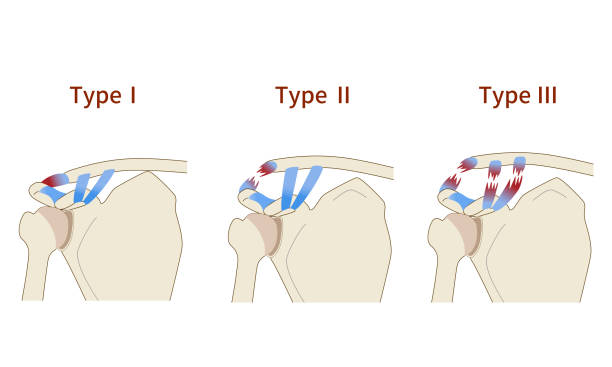
Frozen shoulder usually develops in three stages, each requiring specific management approaches:
Freezing Stage:
- Gradual onset of pain
- Decreasing shoulder mobility
- Pain is often worse at night
Frozen Stage:
- Pain may decrease slightly, but stiffness becomes severe
- Shoulder movement is significantly limited
- Daily tasks become challenging
Thawing Stage:
- Slow improvement in mobility
- Gradual return of strength and function
- Full recovery may take several months
Understanding these stages helps in applying the right frozen shoulder treatment at the right time. For example, gentle stretching in the freezing stage prevents worsening stiffness, while progressive strengthening is recommended during the thawing stage.
How to Cure Frozen Shoulder Quickly?

Quick recovery from frozen shoulder requires a combination of professional therapy, self-care, and lifestyle adjustments. Here are the most effective approaches:
Physiotherapy Exercises
Physiotherapy is considered the most effective frozen shoulder treatment. When the shoulder capsule becomes tight and inflamed, targeted mobility and stretching exercises help restore movement and flexibility. The main goal of a trained physiotherapist is to reduce pain, loosen stiffness, and gradually restore the normal range of motion. Key approaches include:
- Passive and active range-of-motion exercises
- Gentle stretching for internal and external rotation
- Strengthening exercises for the rotator cuff and scapular stabilizers
In addition to exercises, deep tissue massage therapy can enhance physiotherapy by loosening tight muscles, improving circulation, and supporting faster recovery. Consistency is key when performing guided exercises, and combining them with complementary therapies daily can accelerate healing and more effectively restore shoulder mobility.
Manual Therapy
Manual therapy includes hands-on techniques performed by a physiotherapist to improve joint function. These techniques help release tight tissues, improve blood flow, and encourage natural movement. Manual therapy may include:
- Joint mobilization
- Soft tissue release
- Trigger point therapy
- Lymphatic massage
- Passive stretching
These techniques help reduce stiffness and prepare the shoulder for active exercises. For many patients, combining manual therapy with physiotherapy exercises provides the fastest improvement.
Medications
Pain and inflammation management play an important role in frozen shoulder recovery. Medications make movement and therapy more comfortable, helping patients stay consistent with frozen shoulder treatment.
Common medications include:
- NSAIDs (such as ibuprofen or naproxen) for inflammation
- Pain relievers like acetaminophen
- Prescription muscle relaxants for severe stiffness
While medication does not cure the condition alone, it supports the healing process by reducing discomfort and inflammation.
Heat and Cold Therapy
Heat and cold therapy are often used together to manage frozen shoulder symptoms.
Cold Therapy (Ice Packs):
- Helps reduce inflammation
- Numb, sharp, and sudden pain
- Ideal during the early painful stage
Heat Therapy:
- Improves blood circulation
- Relaxes stiff muscles
- Best used before stretching or physiotherapy exercises
Using heat before exercise and ice afterward can significantly help reduce pain and improve mobility.
IV and Nutritional Support
Your recovery depends not only on treatment and exercise but also on supplying the body with the nutrients it needs to repair tissue and reduce inflammation. Many patients now explore infusion-based support because the IV drip trend is gaining popularity for delivering vitamins and therapeutic compounds directly into the bloodstream, allowing faster absorption compared to oral supplements. IV therapy may include key components such as:
- Vitamin C helps reduce inflammation
- Magnesium to ease muscle tension and spasms
- B vitamins and amino acids to support nerve and muscle repair
Alongside this, maintaining a balanced diet rich in omega-3 fatty acids, antioxidants, and adequate hydration can support faster recovery. It is always advised to consult a physician before starting IV drip therapy or any nutritional intervention.
Corticosteroid Injections
If pain is severe and limits movement, corticosteroid injections may be recommended. These injections are given directly into the shoulder joint to reduce inflammation rapidly.
Benefits include:
- Fast pain relief
- Improved range of motion
- Easier participation in physiotherapy
While injections do not cure frozen shoulder permanently, they are helpful during the painful stage when mobility is severely restricted.
Surgery or Manipulation Under Anesthesia
These advanced frozen shoulder treatments are only recommended if all conservative therapies fail over 6–12 months.
There are two options:
- Manipulation Under Anesthesia (MUA): The patient is sedated, and the doctor gently moves the shoulder to break stiff adhesions.
- Arthroscopic Surgery: Minimally invasive surgery to remove scar tissue and release the tight capsule.
Both methods require physiotherapy afterward to maintain movement and prevent stiffness from returning.
Do’s and Don’ts for Frozen Shoulder
Do’s:
- Follow a structured exercise program consistently
- Apply heat before stretches to loosen muscles
- Maintain good posture during daily activities
- Consult a physician for ongoing guidance and evaluation
Don’ts:
- Avoid prolonged immobilization of the shoulder
- Do not force painful movements
- Avoid heavy lifting until fully recovered
- Do not self-administer injections or medications without supervision
Following these do’s and don’ts can significantly improve recovery outcomes, reduce pain, and help restore shoulder function efficiently.
How to Cure Frozen Shoulder Quickly At Home?

Home-based rehabilitation plays an important role in improving frozen shoulder and restoring function. Gentle, consistent movement helps reduce stiffness, improve flexibility, and ease pain. While these frozen shoulder exercises can be done at home, proper technique matters. Working with a physiotherapist or having initial guidance ensures the exercises are performed safely and at the appropriate intensity for your stage of recovery.
Below are five effective frozen shoulder exercises commonly recommended to support healing and improve shoulder mobility:
1. Pendulum Swings
Purpose: To gently mobilize the shoulder joint without putting strain on the muscles.
How to do it:
- Stand beside a table or chair for support.
- Lean forward slightly, allowing the affected arm to hang freely.
- Begin to gently swing your arm in small circles, clockwise and counterclockwise.
- Continue swinging for 1–2 minutes.
- Repeat 2–3 times daily.
Tips: Keep movements slow and controlled. Avoid forcing the arm into painful positions. Pendulum swings are particularly useful in the freezing stage to maintain some motion.
2. Wall Climb (Finger Walk)
Purpose: To gradually increase the shoulder range of motion through upward stretching.
How to do it:
- Stand facing a wall at arm’s length.
- Place your affected arm’s fingers on the wall.
- Slowly “walk” your fingers upward, allowing the arm to rise as high as comfortably possible.
- Hold the position for 2–3 seconds, then walk your fingers back down.
- Repeat 10–15 times, 2–3 times daily.
Tips: Keep your movements slow and within a pain-free range. Focus on controlled motion rather than height. This exercise is beneficial in both the freezing and frozen stages.
3. External Rotation Stretch with Towel
Purpose: To improve external rotation of the shoulder, which is often restricted in frozen shoulder.
How to do it:
- Hold a towel behind your back with your unaffected hand.
- Grab the opposite end of the towel with your affected arm.
- Gently pull upward with your unaffected hand to stretch the affected shoulder outward.
- Hold for 10–20 seconds.
- Repeat 5–10 times, 1–2 sessions daily.
Tips: Avoid overstretching. The goal is to stretch gently, not to cause pain. Gradually increase the stretch as mobility improves.
4. Posterior Capsule Stretch
Purpose: To loosen the back portion of the shoulder capsule and improve internal rotation.
How to do it:
- Place the affected arm across your chest at shoulder level.
- Use your opposite hand to gently press the elbow closer to your chest.
- Hold the stretch for 20–30 seconds.
- Relax and repeat 3–5 times.
Tips: Keep your shoulders relaxed and avoid hunching. This exercise is especially helpful in the frozen stage to reduce stiffness.
5. Scapular Retraction
Purpose: To strengthen the muscles supporting the shoulder and improve posture, which aids recovery.
How to do it:
- Sit or stand with your back straight.
- Squeeze your shoulder blades together, bringing them toward the spine.
- Hold for 5 seconds, then relax.
- Repeat 10–15 times, 2–3 sessions daily.
Tips: Avoid shrugging your shoulders toward your ears. This exercise is important for preventing secondary issues such as upper back tension and posture-related pain.
How Long Does It Take to Heal Frozen Shoulder?
Recovery time varies depending on the severity and stage of the condition:
- Freezing stage: 2–9 months
- Frozen stage: 4–12 months
- Thawing stage: 6–24 months
Active interventions such as physiotherapy, stretching, manual therapy, and supportive medical treatments can significantly shorten these timelines. A combination of these approaches ensures the best outcomes and faster pain relief.
Looking for Fast Relief from Frozen Shoulder in Dubai?

Struggling with shoulder pain and stiffness? At Ak healthcare medical center in Dubai, we provide fast and effective solutions for frozen shoulder to help you regain movement and comfort as quickly as possible. Our Dubai clinic focuses on advanced health solutions, combining personalized assessments, advanced physiotherapy, targeted exercises, and safe, clinically guided treatments tailored to your condition. Whether you are in the freezing, frozen, or thawing stage, our experienced team will design a recovery plan that supports faster healing and restores daily function.
For added flexibility, online consultation is also available, giving you access to expert guidance and a customized treatment plan from home. Schedule your appointment today and take the first step toward long-lasting shoulder relief.
Final Thoughts
Frozen shoulder can be a challenging condition, but with timely care and consistent effort, recovery is very achievable. Recognizing the early signs, following a structured exercise program, and attending regular therapy sessions are essential steps toward regaining shoulder mobility.
Patience is important, as progress may be gradual, but persistent and guided rehabilitation often leads to significant improvement in pain and function. Maintaining proper posture, avoiding activities that strain the shoulder, and following professional advice can help prevent recurrence and ensure long-term joint health.


