


In Dubai, I’ve been practicing lymphatic drainage massage for years now, and I still hear the same misconceptions from nearly every new client who walks through our door. Just last week, a patient told me she’d been avoiding the treatment for months because someone told her it would be painful. Another thought it was only for people with serious medical conditions. These myths are so common that I decided it’s time to set the record straight.
Lymphatic massage has become incredibly popular in Dubai’s wellness scene, but with popularity comes misinformation. Social media posts promise miracle weight loss, spa menus list it alongside facials without explaining what it actually does, and well-meaning friends share advice based on incomplete information. The result? Many people either expect too much or dismiss the therapy entirely without understanding its real value.
Let me walk you through the five biggest myths about lymphatic drainage massage I encounter and explain what’s actually true based on medical knowledge and real clinical experience.
Why These Myths Keep Spreading
Before we tackle the myths themselves, it helps to understand why confusion exists in the first place. The lymphatic system is genuinely one of the most misunderstood systems in your body. Unlike your heart pumping blood, your lymphatic system has no central pump. Lymph fluid moves slowly through vessels using muscle contractions, breathing patterns, and yes, gentle external massage. Because this process is subtle and invisible, people struggle to grasp how it works.
Another issue is the word “massage” itself. When most people hear massage, they think of deep pressure, muscle work, and that sometimes-painful-but-satisfying feeling. Lymphatic drainage operates completely differently, which leads to confusion and disappointment when it doesn’t match those expectations.
Then there’s the marketing problem. Some spas use “lymphatic drainage” as a fancy term for regular massage. Wellness influencers make wild claims about instant results. Medical-grade therapy gets mixed up with beauty treatments. All of this blurs the line between what’s therapeutic and what’s just trendy. Let’s clear up the confusion with facts.
Top 5 Myths About Lymphatic Drainage Massage Debunked
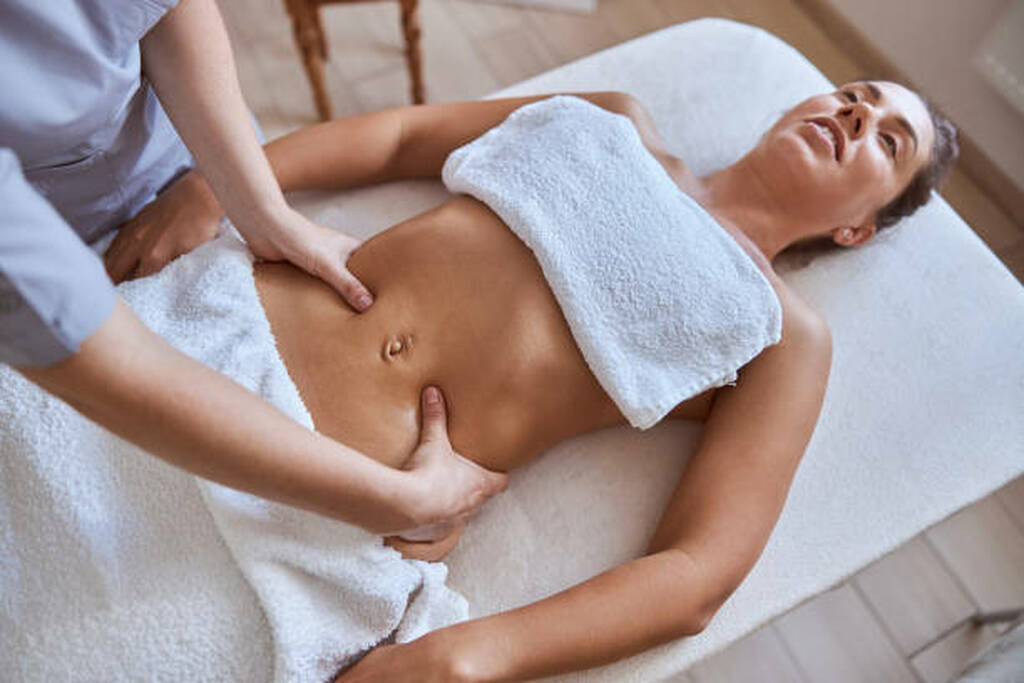
Myth 1: It’s Only for Medical Patients
This is probably the most limiting myth out there. Many people assume lymphatic drainage massage is exclusively for serious conditions like lymphedema after cancer treatment or severe post-surgical swelling. While those patients absolutely benefit from this therapy, that’s far from the whole story.
In my practice, I work with an incredibly diverse range of clients. Yes, some are recovering from procedures like liposuction or tummy tucks, where lymphatic drainage for post-surgical recovery becomes essential for managing swelling and supporting healing. But I also see office workers whose legs swell from sitting all day, athletes looking to enhance recovery between training sessions, and wellness-focused individuals who simply want to support their immune system.
The benefits of lymphatic drainage massage extend well beyond medical necessity. Your lymphatic system works constantly to remove cellular waste, transport immune cells, and maintain fluid balance. When that system gets sluggish from lack of movement, stress, or poor circulation, you might feel puffy, tired, or just generally “off” without having any diagnosed condition.
Supporting your lymphatic flow through regular massage can reduce inflammation, improve how efficiently your body processes waste, and help you feel lighter and more energized. You don’t need a medical diagnosis to benefit from better lymphatic function any more than you need a heart problem to benefit from cardiovascular exercise.
Myth 2: It’s Just a Relaxing Spa Treatment With No Real Benefits
I understand why this myth exists. When clients experience their first session, many comment on how gentle and calming it feels. Some even wonder if anything is actually happening because they’re so used to associating therapeutic benefits with pressure and intensity.
Here’s what’s really going on. Lymphatic drainage uses intentionally light, rhythmic strokes because your lymph vessels sit just beneath your skin’s surface. These vessels are delicate. If I press too hard, I actually compress them and slow down lymph flow rather than enhancing it. The lightness isn’t a lack of technique; it’s the technique itself.
From a physiological standpoint, proper lymphatic drainage stimulates the movement of lymph fluid toward your lymph nodes, where waste products get filtered out. This process reduces swelling, supports immune cell circulation, and helps clear metabolic byproducts from your tissues. As a result, lymphatic massage supports detoxification by improving the body’s natural waste-removal process.
Clinical observations consistently show reduced swelling, improved tissue health, and decreased discomfort when lymphatic congestion is addressed properly. Patients recovering from surgery see faster healing. People with chronic puffiness notice visible changes. Those dealing with fatigue often report feeling clearer and more energized.
So yes, the treatment feels relaxing. But that gentle touch is doing real physiological work that extends far beyond stress relief.
Myth 3: It Causes Instant Weight Loss
This myth frustrates me more than any other because it sets people up for disappointment and misses the point of what lymphatic drainage actually does. I’ve seen advertisements showing dramatic before-and-after photos suggesting you’ll drop dress sizes after one session. That’s simply not how bodies work.
Let me be clear: lymphatic drainage massage does not burn fat. It doesn’t melt away calories or magically eliminate body weight. What it does do is help your body release excess fluid that’s been sitting in your tissues. If you’re retaining water due to poor circulation, hormonal fluctuations, or lymphatic sluggishness, you might notice your clothes fit better, or your face looks less puffy after treatment. That’s fluid reduction, not fat loss.
Now, does that mean there’s no connection between lymphatic health and body composition? Not exactly. When your lymphatic system functions efficiently, your metabolism works better overall. Reduced inflammation can make it easier to maintain healthy habits. Better fluid balance means less bloating. Over time, as part of a comprehensive wellness approach that includes proper nutrition and movement, lymphatic drainage can support your body’s natural processes.
This is the honest answer to can lymphatic massage help with weight loss: it’s a supportive tool, not a magic solution. If someone promises you’ll lose significant weight from massage alone, they’re either misinformed or misleading you intentionally.
Myth 4: The Massage Must Be Deep and Painful to Work
I see this assumption constantly, especially from clients who come from backgrounds in sports massage or deep tissue therapy. They’re accustomed to “no pain, no gain” thinking and feel confused when lymphatic drainage feels almost too gentle to be effective.
The truth is that applying deep pressure to encourage lymph flow is counterproductive. Your lymphatic vessels operate at very low pressure and sit close to your skin’s surface. Heavy pressure compresses these delicate vessels and actually impedes lymph movement rather than helping it. Proper technique uses slow, rhythmic, light strokes that follow your body’s natural lymphatic pathways.
Patients are often surprised by how subtle the touch feels, yet this is exactly what allows the lymphatic system to respond. Pain isn’t a marker of effectiveness in this therapy. In fact, if you’re experiencing discomfort during lymphatic drainage, something’s wrong with the technique.
This principle becomes especially clear with lymphatic facial massage. The face contains extremely delicate lymph vessels, and only precise, gentle movements can reduce puffiness, improve circulation, and support skin health without causing irritation. Try to apply deep pressure to facial lymphatics, and you’ll likely end up with inflammation rather than improvement.
If you’re new to this therapy and concerned about what the experience should feel like, understanding what to expect during your first lymphatic drainage massage can ease those worries. The session should feel soothing, never painful.
Myth 5: Anyone Can Do It Safely at Home
With YouTube tutorials and wellness influencers demonstrating self-massage techniques, many people believe lymphatic drainage is simple enough for anyone to perform without training. I appreciate the interest in self-care, but this assumption overlooks important safety considerations.
Certified lymphatic massage therapists spend considerable time learning anatomy, understanding pathology, and recognizing contraindications. We learn where lymph nodes are located, which direction lymph naturally flows, and how to adapt techniques for different body areas and health conditions. This knowledge matters because improper technique can worsen swelling, redirect lymph flow incorrectly, or even mask symptoms that need medical attention.
Certain health situations require careful evaluation before lymphatic therapy should even be considered. Active infections can spread through the lymphatic system if stimulated incorrectly. People with uncontrolled heart failure might not tolerate increased fluid movement. Those with blood clots risk serious complications if lymph flow is manipulated without proper precautions. Individuals undergoing cancer treatment need specific protocols that account for their treatment plan.
This is why choosing the right lymphatic drainage massage provider isn’t just about convenience or price. A qualified therapist knows when lymphatic massage is helpful and when it’s contraindicated. We assess your health history, current symptoms, and individual needs before creating a treatment plan. Professional guidance ensures the therapy supports your health rather than potentially causing harm.
The Truth Behind Lymphatic Drainage Massage: What Science Really Says
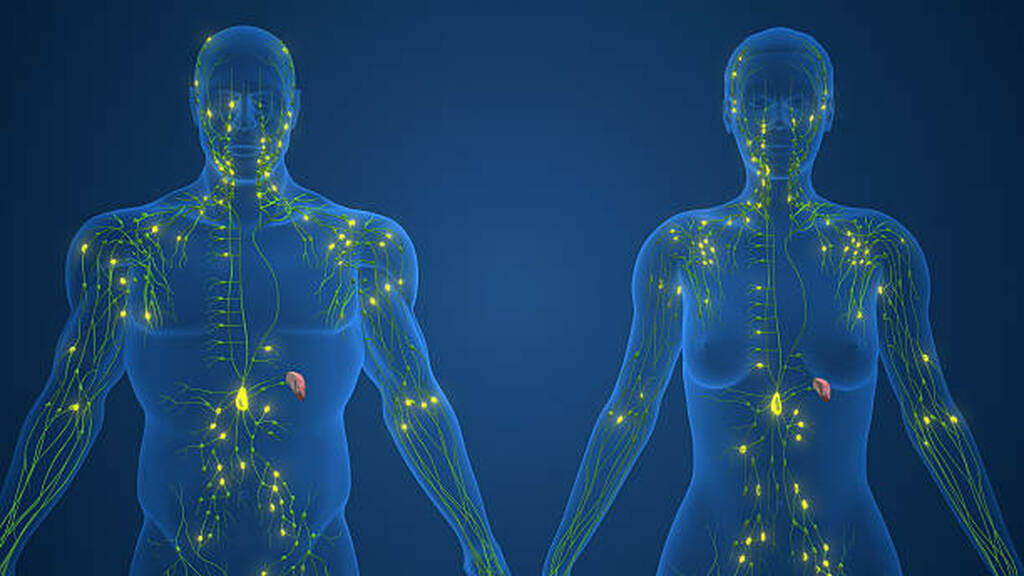
Research into lymphatic drainage continues to grow, and the findings support what we see clinically. Studies demonstrate that proper lymphatic stimulation can reduce post-surgical swelling, provide relief from chronic edema, and support recovery in people with compromised lymph flow. The therapy shows particular benefit for managing fluid buildup in areas like the legs, where congestion often becomes most noticeable.
What the science doesn’t show is overnight miracles. The best results come when lymphatic drainage is part of a broader health approach. Proper hydration supports lymph fluid composition. Regular movement keeps the system active. Compression garments, when appropriate, can maintain progress between sessions. Medical oversight ensures underlying conditions are addressed.
Healthcare professionals emphasize realistic expectations. We’re not promising to cure diseases or transform bodies in single sessions. What we can offer is targeted support for your body’s natural drainage processes, symptom relief when lymphatic congestion exists, and complementary care that works alongside other health measures.
Who Benefits Most (And Who Should Be Cautious)
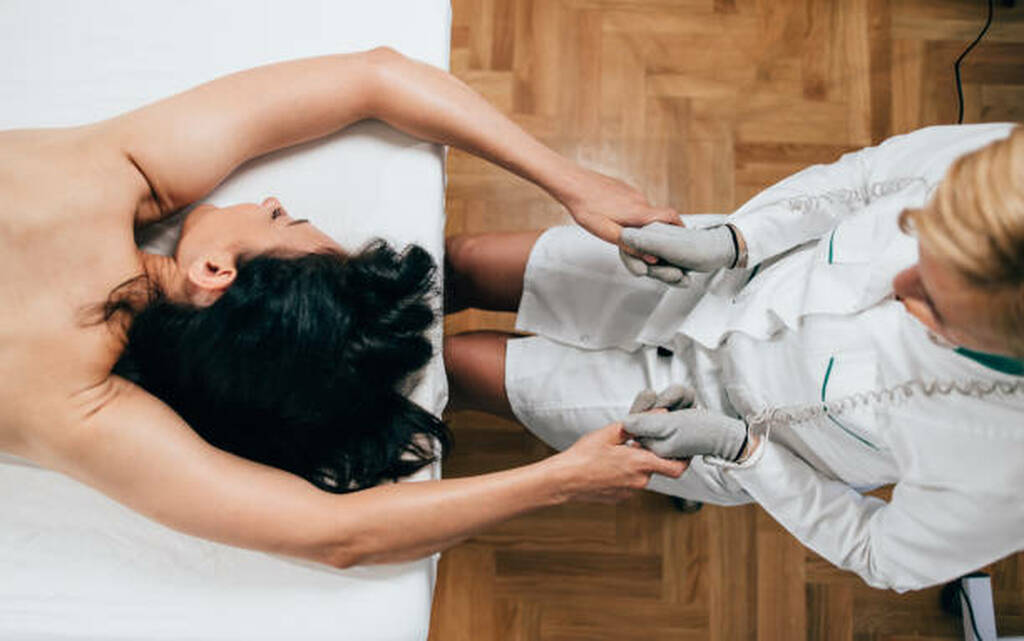
Lymphatic drainage massage works well for:
- People recovering from surgery are dealing with post-operative swelling
- Those experiencing chronic puffiness or fluid retention
- Individuals with sluggish circulation from sedentary lifestyles
- Anyone managing inflammatory conditions
- Athletes seeking recovery support between training sessions
- Office workers experiencing leg swelling from prolonged sitting
- People focused on general wellness maintenance and immune support
The therapy is NOT appropriate for:
- Anyone with active infections (the body needs to fight these naturally)
- People with untreated cancer (could theoretically affect cell movement)
- Individuals with severe heart conditions (requires medical clearance)
- Those with kidney failure (fluid management must be medically supervised)
- People with blood-clotting disorders (risk of complications)
- Anyone with acute thrombosis or deep vein thrombosis
A thorough initial consultation is essential. What helps one person might be contraindicated for another. Professional assessment ensures the treatment supports your specific situation safely and effectively.
The Bottom Line
Lymphatic drainage massage is a clinically grounded therapy with a growing role in modern integrative care. Unfortunately, myths and misinformation often prevent individuals from understanding its true value and limitations.
By separating fact from fiction, patients can make informed choices based on medical science rather than marketing claims. Lymphatic drainage massage is not a miracle solution, nor is it merely a spa indulgence. When performed by trained professionals and applied appropriately, it can support healing, comfort, and overall physiological balance.


