


In today’s digital age, social media has become a central part of our lives, influencing how we connect, learn, and share experiences. Platforms like Instagram, Snapchat, Facebook, and Twitter (now X) are not only communication tools but also powerful sources of entertainment, information, and even professional networking. However, the growing dependency on social media has sparked important discussions about its impact on mental health, particularly among teenagers and adults.
While social media brings people closer, it can also lead to stress, anxiety, low self-esteem, and other mental well-being challenges when used excessively or negatively. This article explores the different ways social media affects mental health across age groups, supported by expert insights, statistics, and research.
The Rise of Social Media and Its Influence
Over the past decade, social media usage has skyrocketed. According to Statista, more than 4.9 billion people worldwide will use social media in 2025, with the average user spending over 2 hours daily on these platforms. For teens, this number is even higher, often crossing 3–4 hours per day.
Social platforms have transformed how we:
- Communicate with family and friends.
- Stay informed about world events.
- Build professional networks.
- Explore hobbies and communities of interest.
But as the digital world expands, concerns about its psychological effects have also intensified. Just like people visit wellness centers for IV drip therapy to restore physical energy, managing digital exposure is equally necessary for mental clarity.
How Social Media Affects Mental Health in Teens
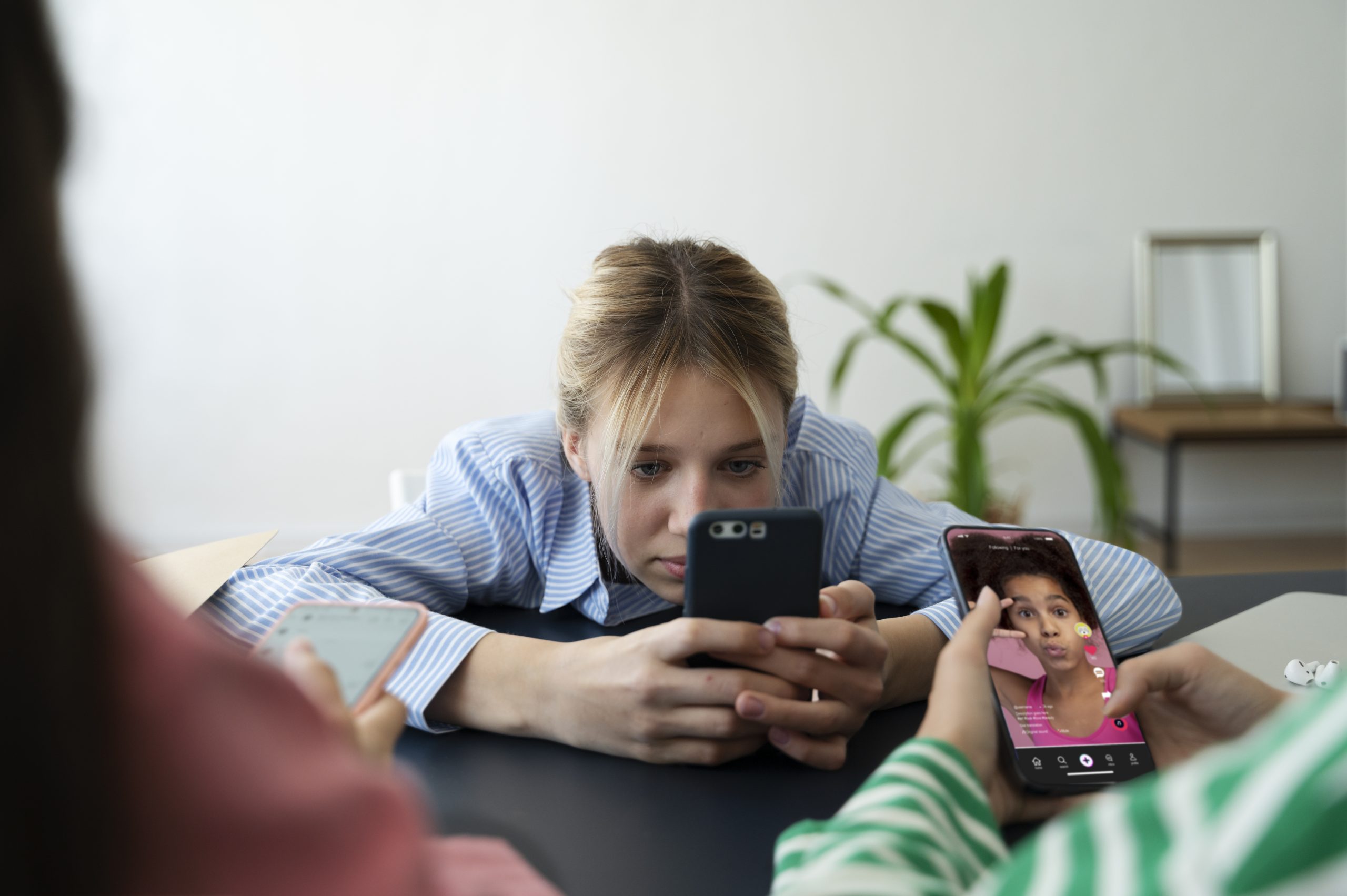
Teenagers are among the most active social media users, making them highly vulnerable to its effects. Since adolescence is a period of emotional and social development, the pressure from digital spaces can deeply impact their mental well-being.
Comparison and Low Self-Esteem
Teens often compare themselves with influencers, celebrities, or peers who showcase idealized versions of their lives. This social comparison can trigger feelings of inadequacy, body dissatisfaction, and low self-worth.
Cyberbullying and Harassment
According to UNICEF, nearly 1 in 3 young people have experienced cyberbullying. Social media platforms often become spaces where negative comments, trolling, and harassment affect teenagers’ self-esteem and emotional stability.
Sleep Disruption
Constant scrolling, late-night notifications, and fear of missing out (FOMO) lead to poor sleep quality, which is directly linked to anxiety, irritability, and depression in teens.
Addiction and Screen Time
Many adolescents struggle to limit their screen time. Excessive usage creates a form of social media addiction, impacting their academic performance, real-world interactions, and mental health.
Positive Side for Teens
It’s important to note that social media isn’t entirely harmful. For teens, it can:
- Provide platforms for self-expression.
- Help in forming supportive communities.
- Spread awareness about mental health and social issues.
Experts in pediatric rehabilitation often highlight that balancing digital activity with real-world hobbies is critical for building confidence and resilience in young people.
How Social Media Affects Mental Health in Adults
Adults, though more mature, are not immune to the mental health impacts of social media. With work, family, and life pressures, many turn to social platforms for relaxation but overuse can bring negative consequences.
Increased Stress and Anxiety
Constant exposure to news updates, financial discussions, or political debates can heighten stress levels. Doomscrolling, or endless scrolling of negative news, has become a common cause of anxiety among adults. An expert general physician might point out that such stress can also manifest physically, affecting sleep and heart health.
Professional Pressure
LinkedIn and other professional platforms may fuel career comparisons. Seeing peers’ promotions or achievements can create feelings of stagnation or dissatisfaction.
Relationship Strain
Overuse of social media sometimes leads to reduced face-to-face communication with partners, friends, and family. Jealousy and trust issues may arise from online interactions, affecting relationships negatively.
Mental Health Disorders
Research from the American Psychological Association (APA) highlights links between heavy social media use and higher risks of depression, anxiety, and loneliness in adults.
Positive Impact for Adults
On the other hand, adults benefit from social media when they:
- Network professionally.
- Join support groups for mental health, parenting, or lifestyle.
- Access educational and motivational content.
This duality shows that mindful usage is the key.
Shared Effects on Teens and Adults

Though the intensity may vary, both teens and adults experience similar effects:
- Fear of Missing Out (FOMO): Leads to compulsive checking of notifications.
- Reduced Physical Activity: Too much screen time not only affects mental health but also places strain on heart function. Learn more in our detailed guide on how exercise affects cardiac output.
- Isolation vs. Connection: While social media connects us virtually, it can also make users feel more isolated in real life.
- Validation Dependence: Both groups often rely on likes, comments, and shares for validation, affecting confidence levels.
In some cases, simple activities such as stretching, walking, or even physiotherapy can help reduce the physical toll of sitting long hours on screens.
The Science Behind Social Media and Mental Health
Psychologists suggest that social media platforms are designed to trigger dopamine release, the same brain chemical involved in reward and pleasure. Every like, comment, or notification activates this “reward loop,” making it hard for users to disconnect.
This dopamine-driven cycle explains why users keep returning to platforms, sometimes leading to addiction-like behaviors. Over time, this pattern can contribute to anxiety, mood swings, and attention problems.
How to Use Social Media Mindfully
Both teens and adults can experience the positive side of social media by practicing mindful habits:
- Set Time Limits: Use apps or phone features to track and restrict screen time.
- Curate Your Feed: Follow accounts that inspire, educate, or uplift instead of triggering comparison or negativity.
- Take Digital Detox Breaks: Disconnect for a few hours or days to recharge mentally.
- Engage in Real Conversations: Balance online interactions with in-person connections.
- Seek Support: If you feel overwhelmed, consult a mental health professional or join support groups online.
Social Media: Friend or Foe?
The answer lies in balance. Social media is not inherently harmful, it’s a powerful tool that can either build or break mental health depending on how it’s used. For teens, parental guidance and digital literacy education play a crucial role. For adults, self-regulation and awareness can ensure healthier usage.
By approaching social media as a tool for connection rather than validation, individuals can harness its benefits while minimizing risks.
Take Charge of Your Mental & Physical Health with Professional Care

Social media and today’s fast lifestyle can often leave us feeling drained, stressed, and disconnected. At AK Healthcare in Dubai, we provide modern health solutions designed to restore balance in both mind and body. Our expert team offers advanced therapies that help reduce stress, improve energy, and support long-term wellness. Whether you need rejuvenation after digital burnout, relief from physical tension, or holistic programs that promote emotional stability, our clinic is here to guide your journey. With personalized treatments and innovative approaches, we ensure every client experiences care that goes beyond the ordinary. Choose AK Healthcare where modern science and compassionate care meet to help you live healthier, happier, and more resilient.
Final Thoughts
Corporate stress may feel like a constant in modern workplaces, but it doesn’t have to define our professional lives. Burnout is not inevitable; it is preventable with conscious strategies, leadership support, and organizational reforms. By weaving together emotional intelligence, structural changes, lifestyle interventions, and trusted external resources like TheFamous, individuals and companies can create healthier, more resilient work cultures.


